
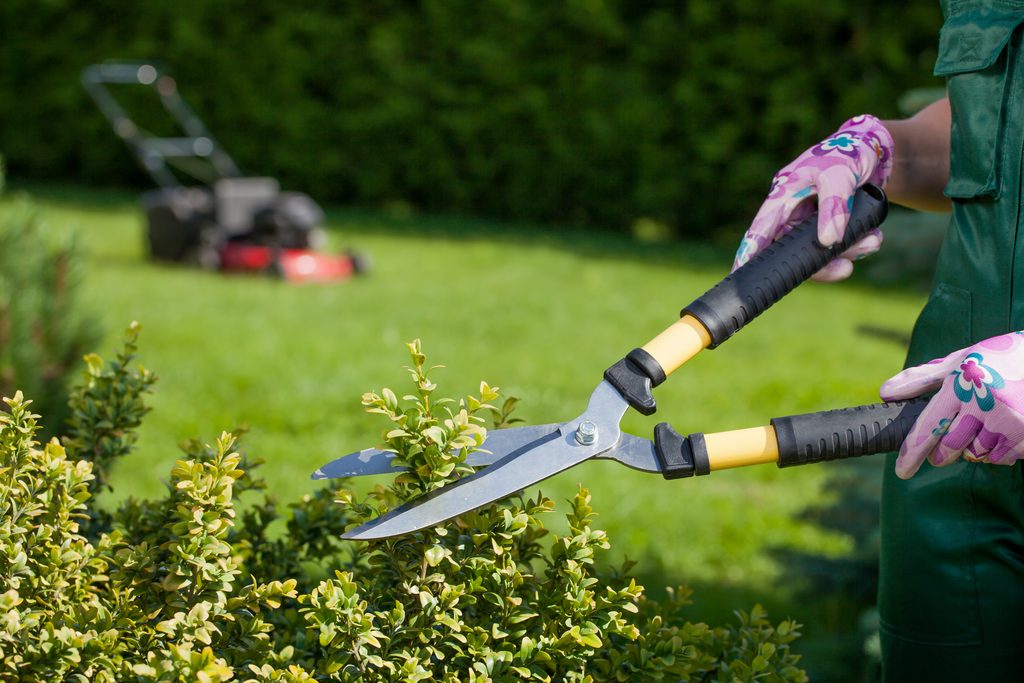
As flowers fade and foliage turns brown, commercial landscape beds can look untidy. Cutting everything back may seem like the easiest way to prepare for winter.
However, not every plant benefits from the same treatment.
For commercial properties in Lexington and across Central Kentucky, fall cleanup should account for plant type, health, location and appearance. Some plants need cleanup now, while others provide winter interest or require pruning at another time.
Start With Plant Identification
Herbaceous perennials, ornamental grasses and woody shrubs have different maintenance needs. Even plants within the same group may require different timing.
Before scheduling cutbacks, identify:
- Plants that need cleanup this fall
- Plants that can remain standing through winter
- Plants that need pruning at another time
This helps keep the property presentable while avoiding unnecessary cuts.
Cut Back Perennials Selectively
Many herbaceous perennials die back above ground while their roots and crowns survive through winter. Once foliage has died, removing collapsed stems can improve beds near entrances and busy walkways.
Healthy seed heads and sturdy stems may still have value, adding winter structure and providing food or shelter for wildlife. Extension guidance recognizes these benefits of leaving some healthy perennials standing.
Plant health matters, too. Foliage affected by certain diseases may warrant removal. Have recurring symptoms evaluated so cleanup addresses the actual problem.
Consider Leaving Ornamental Grasses
Many ornamental grasses retain an upright shape after the growing season, providing texture when surrounding plants have lost their leaves.
Where grasses remain attractive and clear of walkways, leaving them standing can preserve winter interest. Many deciduous ornamental grasses can be cut back in early spring before new growth begins, with timing adjusted to the species.
Grasses that collapse across sidewalks, block visibility or interfere with winter maintenance may need earlier attention. Evergreen and semi-evergreen plants may require a different approach than a full cutback.
Avoid Treating Shrubs Like Perennials
Woody shrubs should not automatically be included in fall perennial cutbacks.
Some spring-flowering shrubs form flower buds during the previous growing season. Fall pruning can remove buds that would otherwise bloom the following spring. These plants are generally pruned after flowering when needed.
Other shrubs have different pruning windows depending on their species and the purpose of the work. Identify the plant and the reason for pruning before making cuts.
Match Cleanup to the Location
Main entrances may call for a tidier appearance, while perimeter beds may offer room to retain healthy stems and seed heads.
Along sidewalks, remove material that blocks passage or visibility. Clear heavy, wet leaf accumulations that bury low-growing plants or collect over their crowns.
For plants left standing, schedule follow-up maintenance based on species, spring growth and any habitat goals. This keeps selective cleanup intentional rather than leaving unfinished work.
Plan Cleanup Around Your Plants
A well-maintained winter landscape does not require every plant to be cut to the ground. Selective cleanup can preserve seasonal interest, protect future flowers and keep important areas presentable.
HLM helps commercial properties across Central Kentucky coordinate seasonal landscape maintenance.
Contact us today to review your beds and plan the right fall cleanup approach for your property.