
By early fall, commercial lawns across Central Kentucky have been through months of heat, mowing, foot traffic, equipment use, and changing moisture conditions. Even when a property receives enough water and fertilizer, compacted soil can make it harder for turf to take full advantage of them.
That is where core aeration can help.
Aeration creates small openings in the soil that improve the movement of air, water, and nutrients into the root zone. For lawns growing in compacted soil, this can create better conditions for root growth and fall recovery.
What Happens When Soil Becomes Compacted?
Healthy turf depends on more than what is happening above ground. Grass roots need access to oxygen, moisture, and nutrients within the soil.
Over time, repeated traffic can press soil particles closer together. Commercial properties can be especially prone to compaction around entrances, sidewalks, common areas, event spaces, and other heavily used sections of turf.
Compacted soil has less pore space for air and water to move through. As a result, you may notice:
- Water running off instead of soaking into the soil
- Turf drying out quickly despite regular irrigation
- Thin or weak grass in high-traffic areas
- Shallow root growth
- Areas that struggle to recover after summer stress
Adding more water or fertilizer does not always solve these problems. If the soil is too compacted, the turf may have difficulty accessing what is already being applied.
How Aeration Improves Water Movement
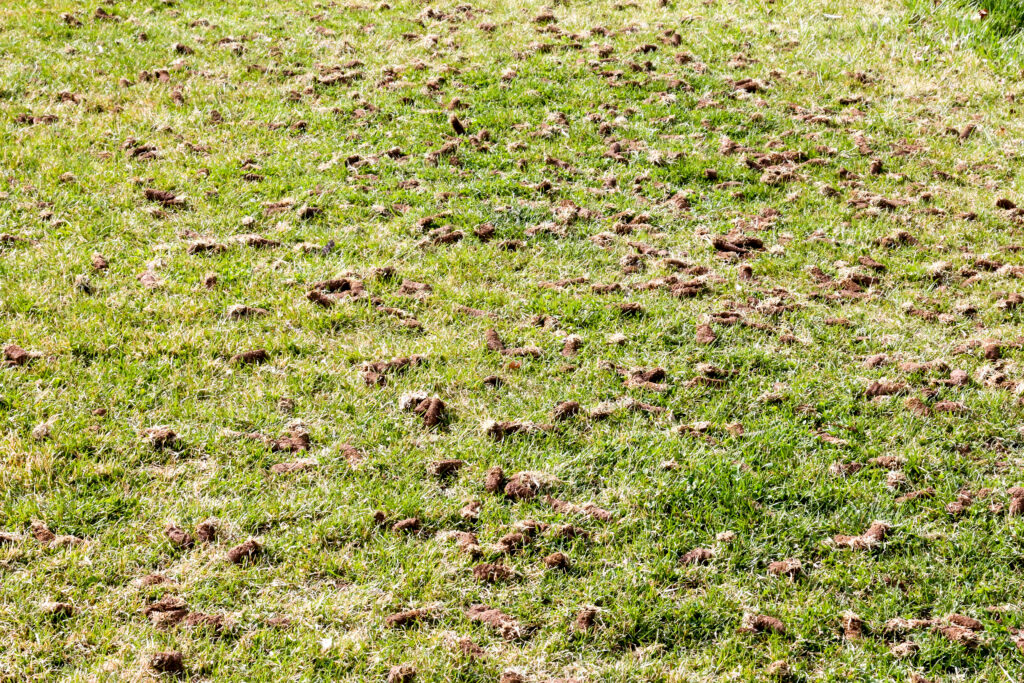
Core aeration removes small plugs of soil from the lawn, temporarily creating channels into the root zone.
Those openings can help water penetrate the soil more effectively rather than remaining near the surface or running into sidewalks, pavement, and low areas.
This does not mean an aerated lawn automatically needs less water. Irrigation should still be based on weather, turf conditions, soil, and the needs of the property. Instead, aeration helps create soil conditions that allow water to reach roots more effectively.
That can be especially valuable when preparing cool-season turf for fall recovery.
Helping Turf Get More From Fertilization
Fall is an important growing period for cool-season turf such as tall fescue, which is common throughout Central Kentucky.
As temperatures moderate, turf shifts energy toward recovery and root development. Fertility programs can support that process, but healthy soil conditions are an important part of the equation.
By reducing compaction and improving access to the root zone, aeration helps create better conditions for nutrients and moisture to move into the soil where turf roots can use them.
Think of aeration as improving the pathway. It does not replace a properly timed fertilizer program, but it can help support the conditions that allow that program to work effectively.
Aeration Also Supports Stronger Roots
One of the biggest benefits of aeration happens underground.
When soil is compacted, roots may remain shallow because it is difficult for them to expand through dense soil. Loosening the root zone gives turf a better environment for continued root growth.
A stronger root system can help turf:
- Recover from summer stress
- Make better use of available moisture
- Compete more effectively with weeds
- Maintain better density
- Handle future traffic and environmental stress
For property managers, those benefits can contribute to more consistent turf quality across the landscape.
When Does a Commercial Lawn Need Aeration?
Not every lawn needs to be aerated on exactly the same schedule.
The need often depends on soil conditions, turf condition, traffic, and how the property is used. A lawn that receives frequent pedestrian or equipment traffic may become compacted faster than a lightly used area.
Signs aeration may be worth considering include turf that remains thin despite appropriate maintenance, hard soil, excessive runoff, poor water infiltration, or heavily traveled areas that repeatedly struggle to recover.
A property walkthrough can help determine where compaction is actually present instead of automatically treating every section of turf the same way.
Why Fall Is an Important Window in Central Kentucky
September is one of the most valuable periods for improving cool-season turf in the Bluegrass Region.
Cooler nights and more favorable growing conditions support turf recovery, root development, and seed establishment. That is why aeration is often paired with overseeding on thin commercial lawns during the fall.
Aeration creates openings in the soil, while overseeding introduces new desirable grass plants into areas that have lost density. When the property needs both, performing them together can support more successful turf renovation.
Newly seeded areas also require careful moisture management. Seed should be kept consistently moist during establishment, while irrigation can gradually transition as the new turf develops.
Make the Most of What You Are Already Applying
Water and fertilizer are important parts of maintaining healthy commercial turf, but their effectiveness also depends on the condition of the soil beneath the lawn.
When compaction limits water movement, nutrient availability, and root development, aeration can help improve the environment where turf is actually growing.
For commercial properties in Central Kentucky, fall is a good time to evaluate compacted or thin areas and determine whether aeration should be part of the turf recovery plan.
A thoughtful approach starts with the condition of the property, not simply the calendar. By identifying where compaction is limiting turf performance, property managers can focus aeration where it can provide the greatest benefit.
Contact us today to schedule a property walkthrough.